
7 min read
About Sichuan & Chongqing
Planning your first trip to Southwest China? Discover why Sichuan and Chongqing are worth visiting, from pandas and mountains to hotpot, river views, ancient towns and megacity culture.
Updated
Why Visit Sichuan and Chongqing? A First-Time Travel Guide to Southwest China
Southwest China is where the country becomes bold, dramatic and deeply atmospheric. Here, misty mountains rise above ancient temples, giant pandas nap in bamboo groves, teahouses hum with local life, and hotpot bubbles late into the night.
For many international travelers, Beijing, Shanghai and Xi’an are the classic first stops in China. But for those who want to experience a more flavorful, more mountainous and more visually surprising side of the country, Sichuan and Chongqing offer one of China’s most rewarding journeys.
This Sichuan and Chongqing travel guide introduces the essential things to know before planning your first trip: why the region is worth visiting, how Sichuan and Chongqing are different, where to go, what to experience, and how to shape your journey through Southwest China.
Why Visit Sichuan and Chongqing?
Sichuan and Chongqing are two of the most distinctive destinations in China. Together, they offer a powerful mix of nature, food, history, culture and urban energy.
Sichuan is best known for Chengdu, giant pandas, spicy cuisine, Buddhist heritage, ancient towns and access to some of China’s most beautiful mountain landscapes. It is a province that feels relaxed, soulful and culturally rich.
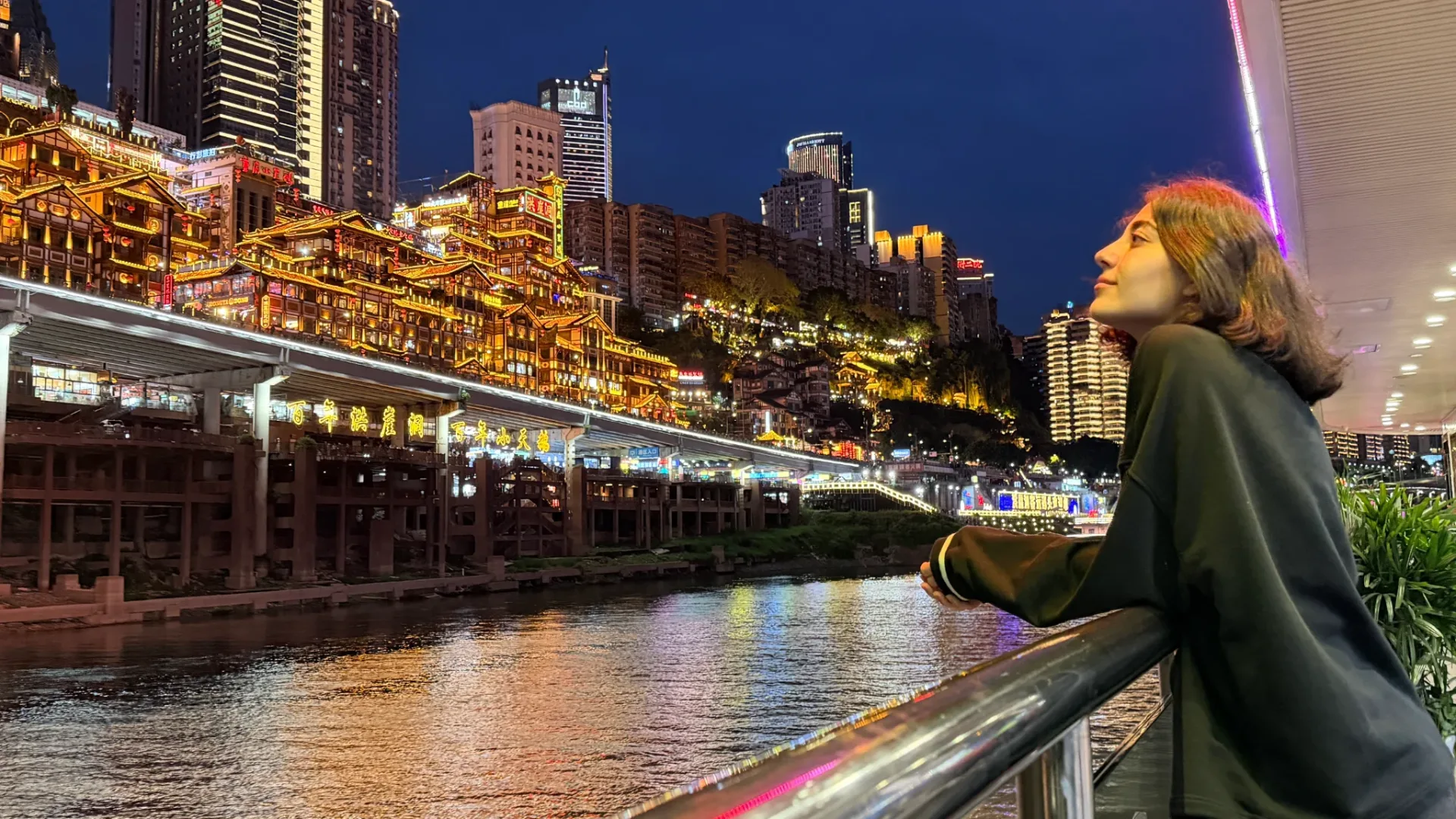
Chongqing, by contrast, is dramatic and vertical. Built across hills and rivers, it is one of China’s most visually striking megacities. Cable cars cross the Yangtze River, metro trains pass through buildings, neon lights reflect on the water, and hotpot restaurants fill the city with smoke, spice and energy.
For first-time visitors to Southwest China, the two destinations work beautifully together. Chengdu offers pandas, teahouses and a slower rhythm. Chongqing adds river views, futuristic skylines and a bold urban personality. In between, travelers can explore mountains, ancient towns, Buddhist sites and some of the best food in China.
Sichuan vs Chongqing: What’s the Difference?
Although Sichuan and Chongqing are often mentioned together, they offer different travel experiences.
Sichuan is a province. Its capital, Chengdu, is known for its laid-back lifestyle, teahouse culture, panda conservation centers and access to natural wonders such as Jiuzhaigou, Mount Emei and western Sichuan.
Chongqing is a municipality directly under China’s central government. It has the scale of a province but the energy of a giant city. It is famous for hotpot, mountain-city architecture, river scenery, night views and its role as a gateway to the Yangtze River.
A simple way to understand the difference:
Choose Sichuan for pandas, culture, mountains and a slower pace.
Choose Chongqing for hotpot, nightlife, river views and megacity drama.
Choose both for the complete Southwest China experience.
Best Places to Visit in Sichuan
Chengdu
Chengdu is often the best starting point for a Sichuan and Chongqing itinerary. It is relaxed, food-focused and easy to enjoy even on a first trip to China.
Highlights include the Chengdu Research Base of Giant Panda Breeding, Wenshu Monastery, People’s Park, traditional teahouses, Jinli Ancient Street and Kuanzhai Alley. For many visitors, Chengdu is where China feels warm, social and surprisingly slow-paced.
It is also one of the best cities in China for food lovers. From mapo tofu and dan dan noodles to hotpot and street snacks, Chengdu is a destination where eating is part of the travel experience.
Leshan Giant Buddha
The Leshan Giant Buddha is one of Sichuan’s most important cultural landmarks. Carved into a cliff where three rivers meet, it offers a memorable combination of religious history, river scenery and ancient craftsmanship.
It is often visited as a day trip from Chengdu or combined with Mount Emei.
Mount Emei
Mount Emei is one of China’s sacred Buddhist mountains. Travelers come for temples, forested trails, sunrise views and a quieter spiritual atmosphere.
For international visitors who want to experience both nature and culture, Mount Emei is one of the best places to visit in Sichuan.
Jiuzhaigou
Jiuzhaigou is famous for its clear lakes, waterfalls, forests and alpine scenery. It is one of China’s most beautiful natural destinations and a strong choice for travelers who want landscapes beyond the cities.
The area is especially popular in autumn, when the forests turn gold and red around the turquoise lakes.
Western Sichuan
For adventurous travelers, western Sichuan offers high-altitude scenery, Tibetan culture, grasslands, snow mountains and photography routes. Destinations such as Kangding, Tagong, Daocheng Yading and Mount Siguniang are ideal for travelers looking for a more remote side of China.
Best Places to Visit in Chongqing
Jiefangbei and Hongya Cave
Jiefangbei is Chongqing’s central commercial district, while Hongya Cave is one of the city’s most photographed landmarks. At night, the wooden-style buildings glow above the river, creating one of the city’s signature views.
This area is a good starting point for first-time visitors who want to experience Chongqing’s energy, food and nightlife.
Yangtze River and Jialing River Views
Chongqing is shaped by rivers. The meeting of the Yangtze and Jialing rivers gives the city its dramatic geography and creates many of its best viewpoints.
A river cruise, evening walk or viewpoint visit is one of the easiest ways to understand the city’s character.
Liziba Metro Station
Chongqing is famous for its unusual urban design, and Liziba Metro Station is a perfect example. The metro line appears to pass directly through a residential building, making it a popular stop for photographers and first-time visitors.
Ciqikou Ancient Town
Ciqikou offers a more traditional side of Chongqing, with old streets, snacks, teahouses and local shops. It is a good place to experience the city’s historic atmosphere beyond the modern skyline.
Dazu Rock Carvings
For travelers interested in culture and history, the Dazu Rock Carvings are one of the most important sites near Chongqing. They combine Buddhist, Taoist and Confucian influences and make a meaningful day trip from the city.
Mountains, Pandas, Hotpot and Megacity Culture
The appeal of Sichuan and Chongqing lies in contrast.
One day, you might watch pandas in Chengdu, drink tea in a quiet courtyard and walk through an old Buddhist temple. The next, you could stand above Chongqing’s glowing skyline, eat spicy hotpot by the river and ride a cable car across the Yangtze.
This region is not just about sightseeing. It is about feeling the rhythm of local life.
In Sichuan, that rhythm is slower: tea, mahjong, pandas, gardens and long meals.
In Chongqing, it is louder and faster: hills, stairs, hotpot, neon lights and river traffic.
Together, they show international travelers a side of China that is deeply local, highly atmospheric and very different from the country’s better-known eastern cities.
First-Time Visitor’s Guide to Southwest China
For first-time international travelers, Sichuan and Chongqing are easier to combine than many people expect. Chengdu and Chongqing are connected by high-speed rail, making it possible to visit both in one trip.
A classic first-time route could look like this:
Day 1–3: Chengdu
Visit the pandas, explore teahouses, try Sichuan cuisine and enjoy the city’s relaxed pace.
Day 4: Leshan or Mount Emei
Take a cultural day trip or overnight extension.
Day 5–6: Chongqing
Explore Jiefangbei, Hongya Cave, river views, hotpot and the mountain-city skyline.
Day 7+: Jiuzhaigou or Western Sichuan
Add nature, mountains and photography routes if you have more time.
For travelers with only a few days, Chengdu and Chongqing can be combined into a short city-and-food trip. For those with 8–12 days, the region can become a deeper journey through pandas, mountains, Buddhist heritage, river culture and local cuisine.
How Many Days Do You Need in Sichuan and Chongqing?
For a first visit, 6 to 8 days is a good starting point.
A short trip of 4 to 5 days can cover Chengdu and Chongqing highlights. A 7 to 8-day trip allows time for Chengdu, Leshan, Mount Emei and Chongqing. A longer 10 to 12-day journey can include Jiuzhaigou or western Sichuan.
Suggested trip lengths:
- 3–4 days: Chengdu or Chongqing only
- 5–6 days: Chengdu and Chongqing highlights
- 7–8 days: Chengdu, Leshan, Mount Emei and Chongqing
- 10–12 days: Add Jiuzhaigou or western Sichuan
- 14+ days: A deeper Southwest China journey with culture, nature and photography
Is Sichuan and Chongqing Worth Visiting?
Yes. Sichuan and Chongqing are worth visiting if you want a China trip that goes beyond the classic first-time route.
This region is ideal for travelers who love food, culture, mountains, city views and authentic local experiences. It is especially suitable for visitors who want to see giant pandas, taste real Sichuan and Chongqing hotpot, explore Buddhist heritage, photograph dramatic landscapes and experience one of China’s most fascinating urban regions.
For many international travelers, Sichuan and Chongqing become the part of China they remember most vividly.
Plan Your Sichuan and Chongqing Trip with a Local Expert
Planning a trip to Southwest China can feel overwhelming, especially for first-time visitors. Transport, language, payments, regional routes and seasonal conditions can all affect the experience.
Our local travel team can help design a private Sichuan and Chongqing itinerary based on your travel style, interests and schedule. Whether you want pandas and teahouses, hotpot and city lights, mountains and photography, or a slower cultural journey through Southwest China, we can help make the trip personal, smooth and memorable.
Keep reading